
Double Displacement
Bogotá’s Risky Climate Gamble on the Vulnerable
Imagine being uprooted from your home by civil conflict, only to find yourself at risk of being displaced again—this time by the very system meant to protect you. Welcome to Bogotá’s bold yet deeply flawed experiment with climate adaptation.
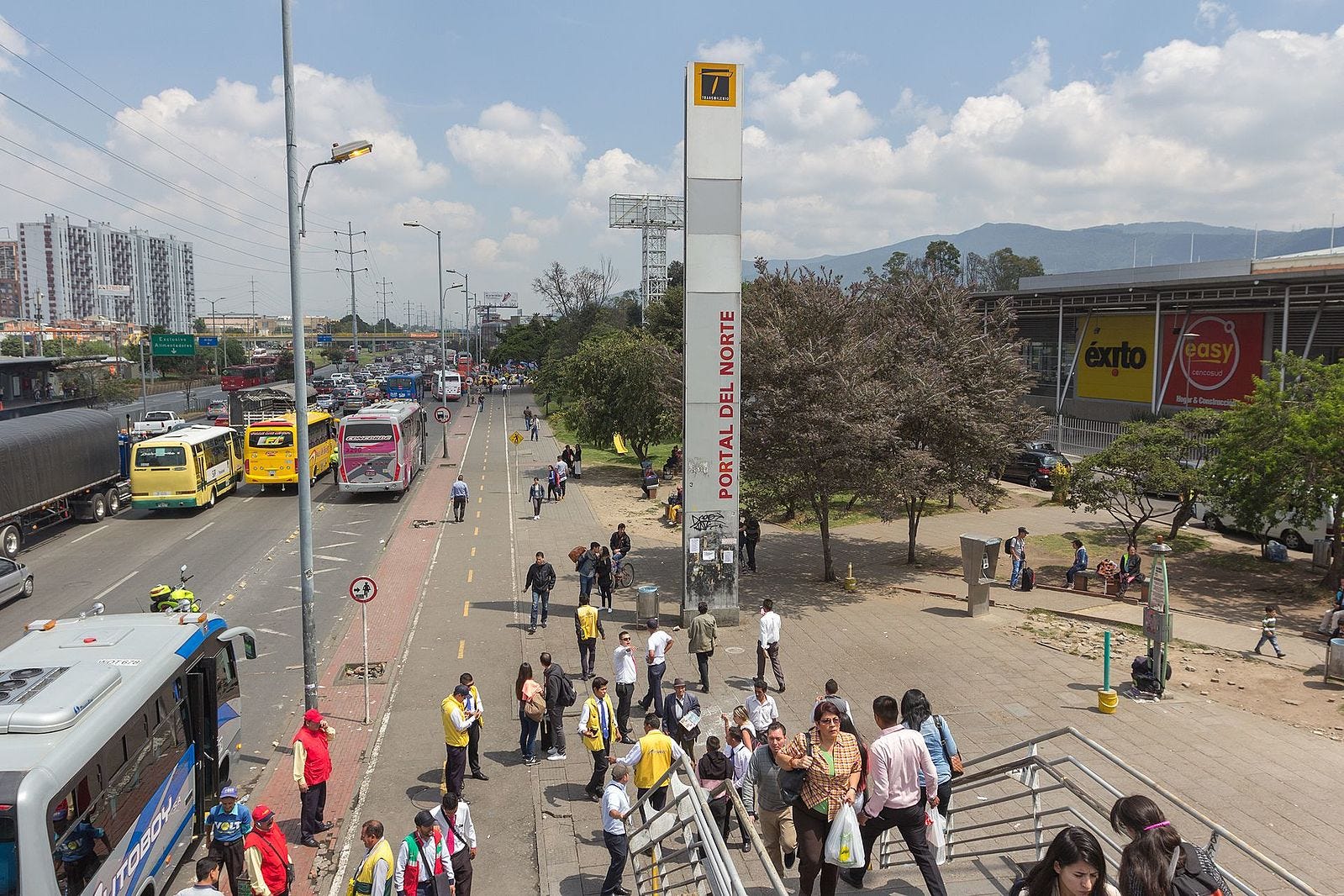

Since 2013, the Colombian capital has been on a mission to relocate residents living in dangerous flood and landslide zones with a housing subsidy program. It sounds noble—until you realize over 57% of these so-called “safe” subsidized units are still built in high-risk areas, as a recent study revealed. And for internally displaced persons (IDPs), the situation is even worse: they make up a disproportionate share of this unsettling statistic.
Picture this: a family finally moves into their new government-subsidized home, only to realize it’s in a flood zone dependent on unproven levee systems that may buckle under the next heavy storm. These houses, though an improvement in construction quality, are often isolated in sprawling, poorly connected suburbs with weak infrastructure. Residents may gain property titles, but they lose proximity to jobs, schools, and city life—trading one risk for another in a cruel cycle of exclusion.
Even worse, Bogotá’s obsession with homeownership limits housing options for the displaced, sidelining rental markets that could offer flexibility. Instead, IDPs find themselves trapped in peripheral areas, effectively cut off from Bogotá’s opportunities while enduring the looming threat of yet another disaster.
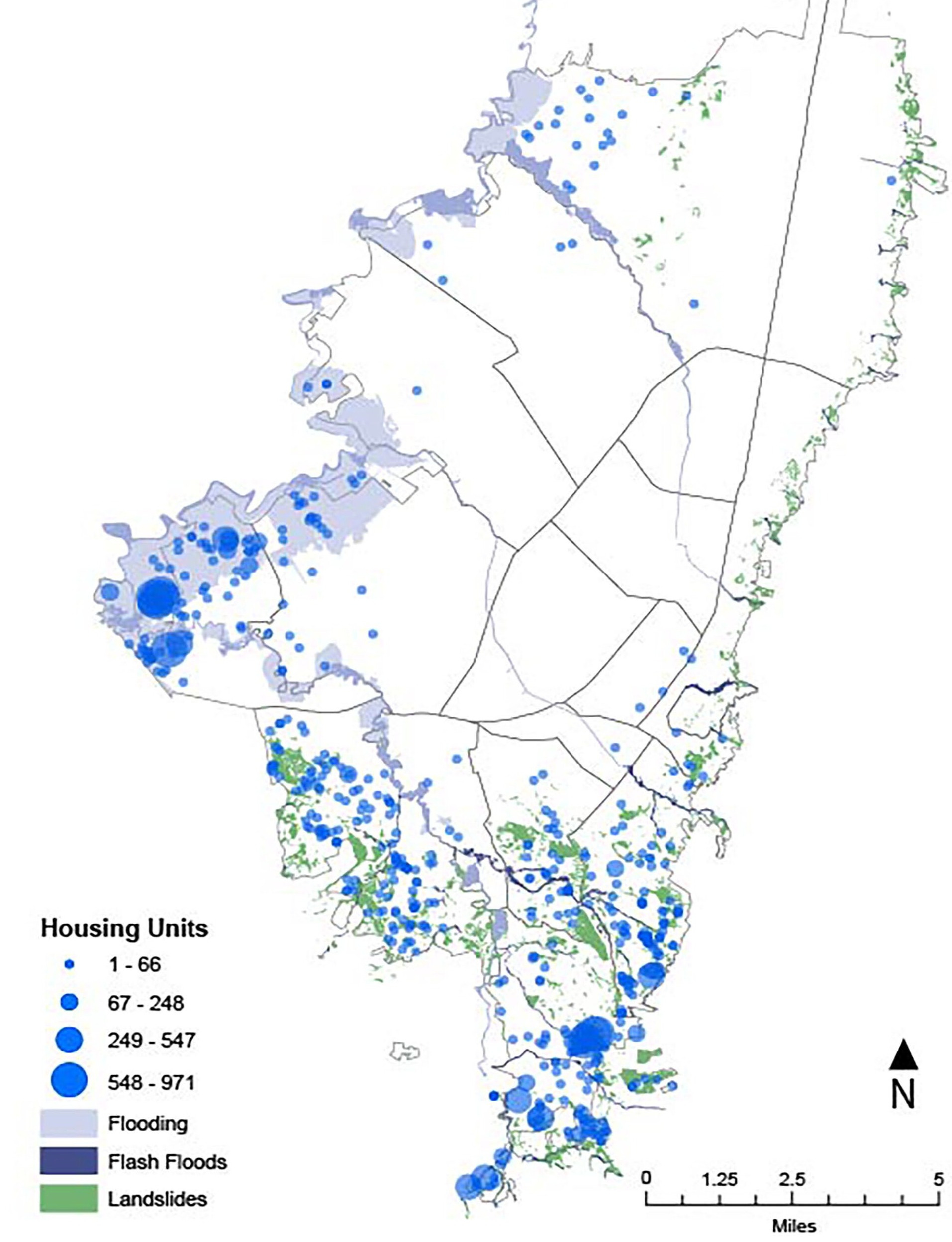
This study by Hugo Sarmiente, Professor at Columbia University GSAPP, shows that this isn’t just a story about flawed urban planning. It’s a cautionary tale of how even the best intentions—protecting vulnerable populations from climate risks—can backfire when inequities remain unaddressed. Bogotá’s double displacement crisis is a wake-up call: without bold political action, the fight against climate change might end up deepening the very inequalities it seeks to resolve.
If you’re interested in reading more about this, check out Hugo Sarmiente’s article in the Journal of Planning Education and Research (JPER)! This article analyzes the spatial relationship between the city’s risk zones and subsidized housing.
Citation: Sarmiento, H. (2024). A Double Displacement: Climate Resettlements and Bogotá’s Desplazados. Journal of Planning Education and Research, 0(0). https://doi.org/10.1177/0739456X241298941